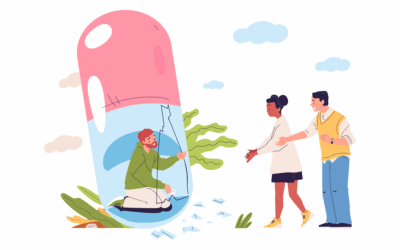
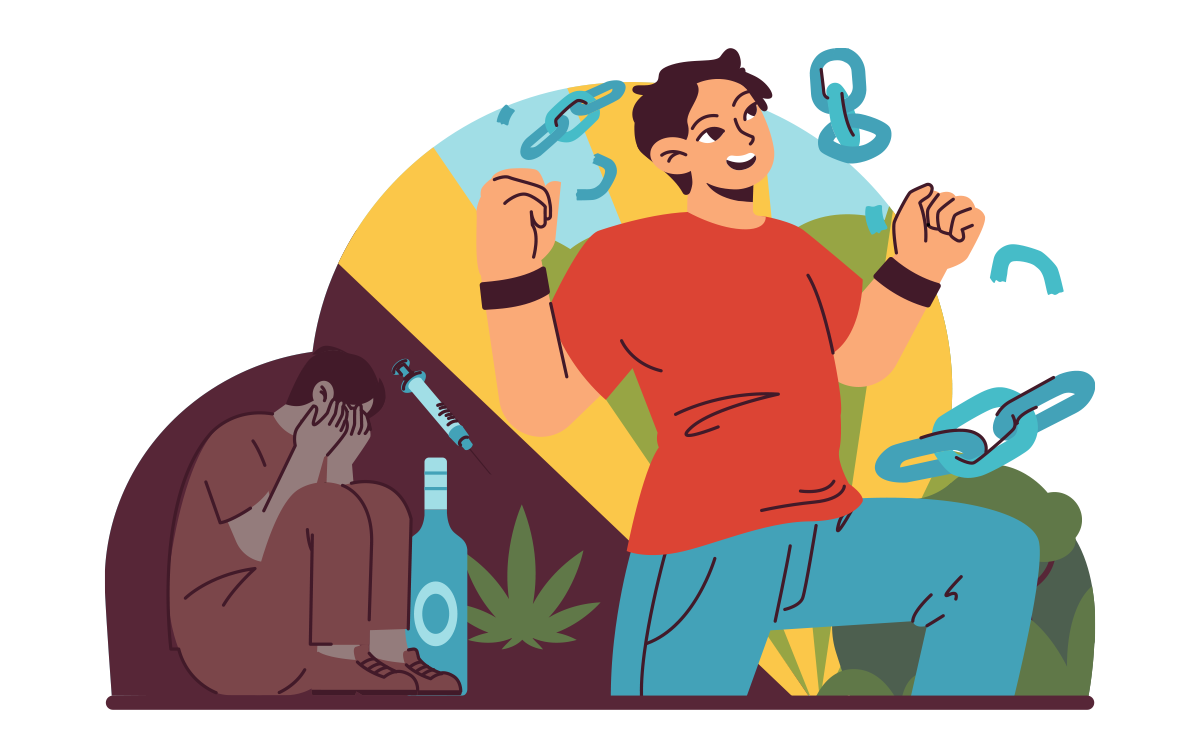
- Addressing the underlying causes of addiction:
This includes tackling the patient’s personality traits and psychological disorders, as well as changing lifestyle habits such as avoiding negative influences. - Ensuring treatment is not limited to detoxification:
Treatment should go beyond just removing substances from the body. It is essential to begin psychological rehabilitation, modify behaviors, and develop skills that facilitate recovery and prevent relapse. - Involving family in the treatment program and resolving family issues:
It is crucial to address conflicts and problems between the patient and family members, restore emotional and psychological cohesion within the family, and help them develop awareness and skills to support the patient in confronting addiction, including setting financial boundaries. - Training family members to detect early signs of relapse:
This includes identifying disruptions in thoughts, feelings, and behaviors that can be predicted and prevented to avoid relapse. - Keeping the patient engaged and utilizing their time effectively:
This can be achieved by providing work opportunities, encouraging participation in activities and hobbies, and fostering open communication within family gatherings. - Strengthening the spiritual and religious aspect of recovery.

المفاهيم الخاطئة الشائعة حول الطب النفسي
يعاني مجال الطب النفسي من العديد من المفاهيم الخاطئة، ومنها: المفهوم الخاطئ الأول: الاضطرابات النفسية ليست أمراضًا حقيقية. الاضطرابات النفسية أمراضٌ تمامًا كالأمراض الجسدية، وتحدث نتيجة اختلالات كيميائية في الدماغ. في العديد من الأمراض الجسدية...