
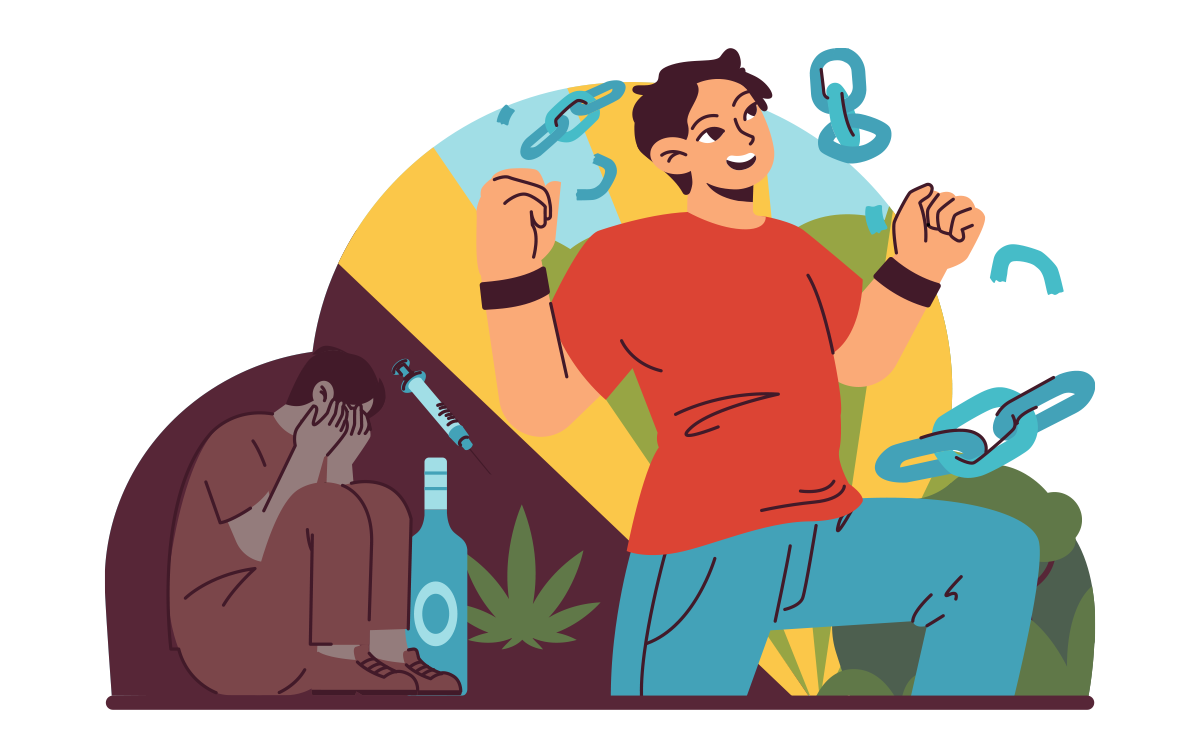
Reasons for Success in Treating Addiction

“بدخل الأوضة وأول حاجة بفكر فيها: إيه اللي ممكن يحصل غلط؟


التجمعات الاجتماعية مرهقة لكتير من الناس. لكن في فرق كبير بينمش بحب الزحمةوبينالخوف من الناس بيمنعني أعيش حياتي“.

الرهاب الاجتماعيأو الرهاب الاجتماعيهي ثاني أكتر اضطرابات القلق شيوعاً في العالم. وكتير من الناس بتعاني منها من غير ما تعرف إن ليها اسم وعلاج.


🤝 الخجل الطبيعي VS الرهاب الاجتماعي


المعيار

خجل طبيعي

فوبيا اجتماعية

التأثير

مؤقت وخفيف

يعيق الحياة اليومية

المدة

يخف مع الوقت

مستمر لأشهر/سنوات

التجنب

أحياناً

دايم ومتصاعد

الأعراض الجسدية

خفيفة

خفقان، تعرق، رجفة

محتاج علاج؟

غالباً لا

✅ نعم


😰 أعراض الرهاب الاجتماعي


الأعراض النفسية

  • خوف شديد من الحكم عليك أو الإحراج
  • تجنب المواقف الاجتماعية حتى لو بيكلفك غالياً
  • إعادة تشغيل المواقف بعدها وتحليل كل كلمة
  • الإحساس إن الكل بيراقبك ويحكم عليك


الأعراض الجسدية

  • خفقان وتسارع في ضربات القلب
  • احمرار الوجه والتعرق
  • رجفة في الصوت أو الأيدي
  • غثيان أو ألم في المعدة قبل المواقف الاجتماعية


💊 العلاج — فعّال جداً

الرهاب الاجتماعي من أكتر الحالات استجابةً للعلاج. الخيارات:


  • العلاج المعرفي السلوكي CBT — الأفضل علمياً
  • تقنية التعرض التدريجي للمواقف الاجتماعية
  • الأدوية المضادة للقلق لو لزم
  • مجموعات الدعم الاجتماعي


💡 الرهاب الاجتماعي مش جزء من شخصيتك — هي نمط تفكير وسلوك اكتسبته وممكن تتعلم تغيره.


“العلاقات الإنسانية مش رفاهية — هي ضرورة. ومش لازم الخوف يسرقها منك.”


🤝 الرهاب الاجتماعي لها علاجتكلم د. محمد حسام الدين 📞 01553002461  |  🌐 drmohamedhossam.com


✍️  عن الكاتب

د. محمد حسام الدين

استشاري الطب النفسي وعلاج الإدمان — أستاذ مساعد بجامعة عين شمس.

🌐 drmohamedhossam.com  |  📞 01553002461


  • Addressing the underlying causes of addiction:
    This includes tackling the patient’s personality traits and psychological disorders, as well as changing lifestyle habits such as avoiding negative influences.
  • Ensuring treatment is not limited to detoxification:
    Treatment should go beyond just removing substances from the body. It is essential to begin psychological rehabilitation, modify behaviors, and develop skills that facilitate recovery and prevent relapse.
  • Involving family in the treatment program and resolving family issues:
    It is crucial to address conflicts and problems between the patient and family members, restore emotional and psychological cohesion within the family, and help them develop awareness and skills to support the patient in confronting addiction, including setting financial boundaries.
  • Training family members to detect early signs of relapse:
    This includes identifying disruptions in thoughts, feelings, and behaviors that can be predicted and prevented to avoid relapse.
  • Keeping the patient engaged and utilizing their time effectively:
    This can be achieved by providing work opportunities, encouraging participation in activities and hobbies, and fostering open communication within family gatherings.
  • Strengthening the spiritual and religious aspect of recovery.

Related Posts

Common Misconceptions About Psychiatry

Common Misconceptions About Psychiatry

The field of psychiatry suffers from many misconceptions. Among these are: Misconception 1: Mental disorders are not real illnesses Mental disorders are illnesses just like physical diseases and occur due to chemical imbalances in the brain. In many physical diseases,...

read more