
Cairo, Egypt
Dr. Mohamed Hossam Eldin Abdel Moneam
Professor of Psychiatry – Ain Shams University
Consultant Psychiatrist & Addiction Specialist
Founder – Resilience Mental Health Center
Consultant, Addiction Unit – Adel Sadek Hospital
ORCID iD: 0000-0002-5374-1449
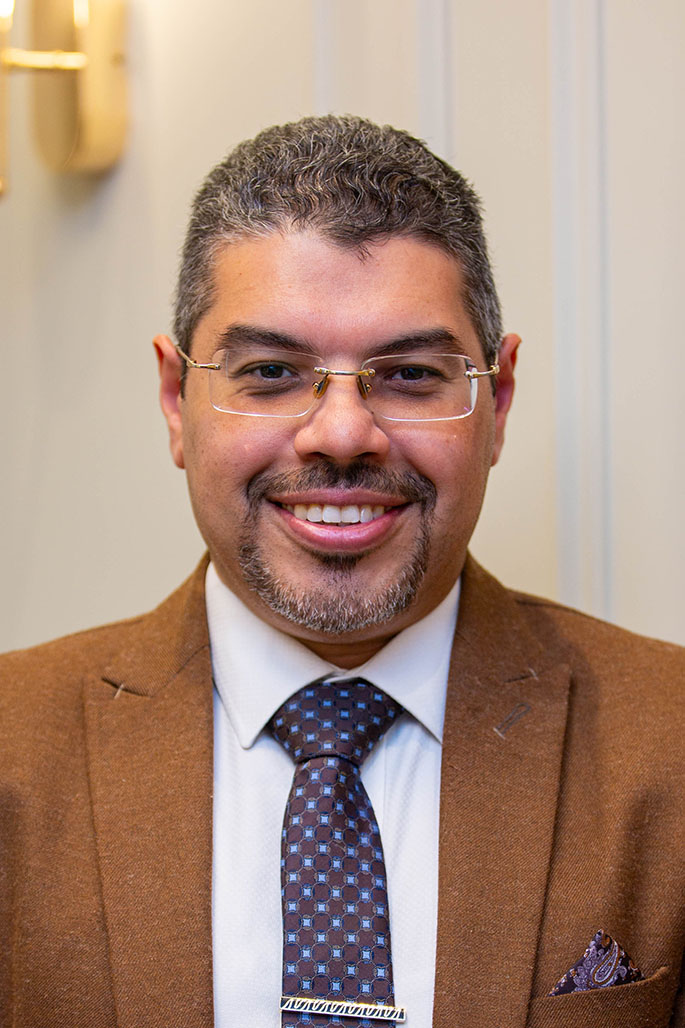
Who Is Dr. Mohamed Hossam?
Dr. Mohamed Hossam Eldin Abdel Moneam is a Cairo-based psychiatrist and addiction specialist whose work spans clinical psychiatry, addiction treatment, psychological assessment, evidence-based psychological interventions, academic research, and the development of integrated mental-health care.
His approach does not treat therapy as simply reducing symptoms. Effective care should help a person understand what is happening to them, identify the factors maintaining the problem, develop practical skills, restore day-to-day functioning, strengthen relationships, and build a sustainable path toward recovery.
He is the Founder of Resilience Mental Health Center, an integrated mental-health platform bringing together psychiatric care, psychotherapy, psychological assessment, structured programs, education, follow-up, and digital mental-health resources.
Mental health care should be scientifically grounded, clinically rigorous, compassionate, individualized, and connected to the person’s real life.
Academic Background
Dr. Mohamed Hossam completed his medical education and postgraduate psychiatric training at Ain Shams University, where his academic and research work continues to be based at the Institute of Psychiatry.
MBBCh
Ain Shams University
Master's Degree
Neuro Psychiatry – Ain Shams University
MD
Neuro Psychiatry – Ain Shams University
Clinical Expertise – Adult Psychiatry
Dr. Mohamed Hossam’s clinical practice includes assessment and treatment across a broad range of adult psychiatric conditions, with treatment individualized according to symptoms, history, circumstances, goals, and level of functioning:
- Depression
- Anxiety disorders
- Panic attacks
- Obsessive-compulsive disorder (OCD)
- Bipolar disorder
- Psychotic disorders
- Schizophrenia
- Sleep-related psychiatric problems
- Adjustment and psychological stress
- Emotional and behavioral problems
Addiction Treatment
Addiction treatment is one of Dr. Mohamed Hossam’s major clinical and academic areas of work. His approach recognizes substance-use disorders as complex conditions that require more than detoxification alone. Comprehensive recovery may involve an integrated combination of:
- Psychiatric and addiction assessment
- Assessment of co-occurring psychiatric disorders
- Medication when clinically indicated
- Psychotherapy
- Motivational Interviewing
- Cognitive Behavioral Therapy (CBT)
- Craving management
- Relapse prevention
- Family involvement, when appropriate
- Aftercare planning
- Post-discharge follow-up
- Restoration of psychological and social functioning
Recovery is an ongoing process, not a single intervention. The goal is not short-term abstinence alone, but a sustainable, comprehensive path to recovery: Assessment → Stabilization → Treatment → Skills Development → Relapse Prevention → Follow-up → Recovery.
Psychological Assessment
Psychological and psychiatric assessment is a core part of the clinical process – used not as an isolated procedure, but to understand the person and build an appropriate treatment plan. Assessment considers:
- Symptoms
- Psychiatric history
- Functional performance
- Cognitive functions
- Emotional state
- Behavioral patterns
- Risk factors
- Strengths
- Treatment needs
Evidence-Based Psychological Interventions
Depending on individual clinical assessment and treatment needs, psychiatric care may incorporate evidence-based psychological approaches, including:
- Cognitive Behavioral Therapy (CBT)
- Dialectical Behavior Therapy (DBT)
- Motivational Interviewing
- Psychological skills development
- Relapse-prevention strategies
- Emotion regulation
- Stress management
The appropriate therapeutic approach depends on diagnosis, goals, readiness for change, and individual clinical circumstances.
Research Profile
Dr. Mohamed Hossam’s clinical philosophy is closely connected to academic medicine and scientific research. His published work, based at the Institute of Psychiatry, Ain Shams University, has addressed addiction and relapse, motivational interviewing and CBT in substance-use disorders, cognitive functioning and insight in schizophrenia, ADHD in children, and depression with suicidal behavior and impulsivity.
His ORCID identifier – 0000-0002-5374-1449 – is the persistent academic identifier connecting his published research record.
The Outcome of Integrated Motivational Interviewing and Cognitive-Behavioral Therapy in Egyptian Patients With Substance Use Disorder
Middle East Current Psychiatry · 2023
Examined an integrated motivational interviewing and CBT intervention compared with an alternative approach among people with substance-use disorder, focusing on treatment retention, relapse, abstinence after discharge, craving, and problematic behaviors.
Assessment of Addiction Management Program and Predictors of Relapse Among Inpatients of the Psychiatric Institute at Ain Shams University Hospital
Middle East Current Psychiatry · 2022
Evaluated an addiction-management program and examined factors associated with relapse among inpatients with substance-use disorders.
The Interplay Between Blood Inflammatory Markers, Symptom Domains, and Severity of ADHD Disorder in Children
Journal of Attention Disorders · 2024
Examined the relationship between blood inflammatory markers and ADHD symptom domains and severity in children.
Correlating Cognitive Functions to Symptom Domains and Insight in Egyptian Patients With Schizophrenia
International Journal of Social Psychiatry · 2020
Examined relationships between cognitive functioning, schizophrenia symptom domains, and insight in an Egyptian clinical sample.
Lipid Profile and Impulsivity in Suicidal Patients With Major Depressive Disorder
Archives of Suicide Research
Examined the relationship between lipid profile and impulsivity in patients with major depressive disorder and suicidality.
Research Interests
- Addiction and substance-use disorders
- Relapse prevention
- Addiction rehabilitation programs
- Motivational Interviewing
- CBT in addiction treatment
- Psychiatric comorbidity
- Schizophrenia
- Cognitive functioning
- Insight in psychotic disorders
- ADHD
- Depression
- Impulsivity and suicidal behavior
- Evidence-based psychiatric care
- Integrated mental-health care
Published research: International Journal of Social Psychiatry · Middle East Current Psychiatry · Journal of Attention Disorders · Archives of Suicide Research
Dr. Mohamed Hossam & Resilience Mental Health Center
Dr. Mohamed Hossam is the Founder of Resilience Mental Health Center, a specialized mental-health platform built around one idea: care should not be a set of disconnected services, but a clear, integrated pathway – from understanding the problem, to appropriate treatment, to recovery and ongoing follow-up.
Resilience brings together psychiatric care, psychotherapy, psychological assessment, structured treatment programs, education, follow-up, and digital mental-health resources.
Assessment → Treatment → Recovery
A Multidisciplinary Model of Care
Mental-health problems rarely exist in isolation. At different points in the same journey, a person may need psychiatric treatment, psychotherapy, psychological assessment, family involvement, skills training, addiction treatment, or ongoing follow-up.
For this reason, the Resilience model is built on collaboration between mental-health professionals, offering services that include:
- Psychiatry
- Addiction treatment
- Psychological assessment
- Cognitive Behavioral Therapy (CBT)
- Dialectical Behavior Therapy (DBT)
- Motivational Interviewing
- Mental-skills development
- Structured recovery programs
- Family and relationship support
- Online mental-health services
- Mental-health education
- Digital resources and tools
The aim: the right assessment, the right specialist, the right intervention, and appropriate follow-up – according to each person’s individual needs.
Professional Philosophy
Dr. Mohamed Hossam believes effective mental-health care must be both scientifically informed and deeply human. A diagnosis matters – but it does not define the whole person. Care should consider symptoms, personality, developmental history, family and relationships, social environment, work and education, physical health, substance use, coping strategies, strengths, values, goals, and readiness for change.
This approach emphasizes empathy, collaboration, individualized treatment planning, evidence-based interventions, and continuous reassessment. The purpose of treatment is not merely to make symptoms disappear – it is to help people build the capacity to live better lives.
How Care Begins
Good mental-health care does not start with a ready-made prescription. It starts with understanding the person and the problem.
1. Assessment
Understanding symptoms, history, functioning, risk factors and strengths.
2. Understanding Needs
Identifying whether the person needs psychiatric care, psychotherapy, assessment, addiction treatment, or a combination.
3. Treatment Plan
An individualized plan matched to diagnosis, goals, and circumstances.
4. Intervention & Follow-up
Implementing the plan while monitoring response and adjusting as needed.
5. Recovery
Restoring functioning, relationships, and a sustainable path forward.
Education & Public Communication
Dr. Mohamed Hossam is committed to improving mental-health literacy, not only to treating patients. Good mental-health information should be scientifically responsible, clear, practical, free from unnecessary stigma, and clear about when professional assessment is needed.
Related reading: How Motivational Interviewing Helps Addiction Recovery, OCD Treatment Options Available in Cairo, and Understanding Bipolar Disorder: Symptoms & Treatment.
Frequently Asked Questions
What does Dr. Mohamed Hossam specialize in?
Does Dr. Mohamed Hossam treat addiction?
Is Dr. Mohamed Hossam a Professor of Psychiatry at Ain Shams University?
Does he provide psychological interventions?
Is he the founder of Resilience Mental Health Center?
Does he work within a multidisciplinary model?
Where can I find official information about Dr. Mohamed Hossam?
Contact & Appointments
For appointments, professional inquiries, and official communications, please use the official channels below.
Official Website: drmohamedhossam.com · Resilience Mental Health Center: resiliencehubhealth.com
Email: me@drmohamedhossam.com
Clinic: United Medical Center – South Academy Services Center – Clinic 12, New Cairo, Cairo, Egypt